Mines and Minerals of the Mendip Hills Vol 3
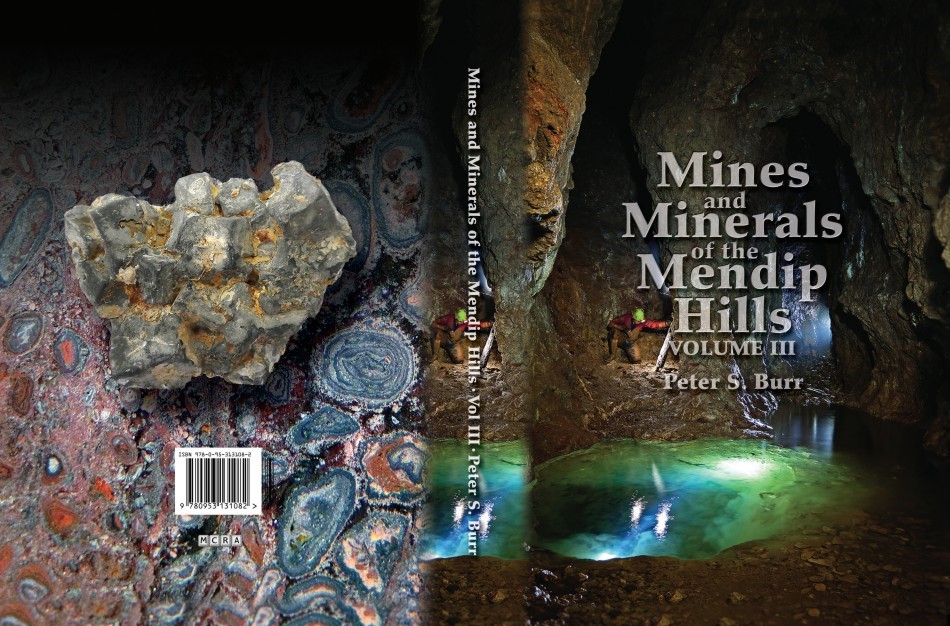
by Peter S Burr
This book augments Volumes I and II that were published by the Mendip Cave Registry in 2015. It has been bound to match the previous volumes so as to form a three-volume set.
The chapter headings and pagination follow on from Volume II.
Chapter 21 consists of Addenda and Corrigenda for Volumes I and II, arranged according to the original chapter and page numbers. Some of the addenda are fairly extensive. Very few errors have come to light, but those that have are given in the Corrigenda.
Chapter 22 and Chapter 23 deal with many aspects of the Roman mines and smelting works in the Mendip Hills and adjacent areas. This subject could not be adequately covered in the previous volumes. Although much has been published on the Roman mines, it consists mainly of unsubstantiated speculation. An attempt is made here to set the record straight!
Chapter 24 provides an overview of the mines and minerals that occur in the area immediately to the north of the Mendips and provides an introduction to the subject of Chapter 25.
Chapter 25 deals with the mineralisation at Chipping Sodbury Quarry, alias Hampstead Farm Quarry, on the eastern edge of the Bristol coalfield in Gloucestershire. A certain amount of research was undertaken on this location because of its possible relationship to the various mineralisations in the Mendip Hills.
Chapter 26 is a collection of photographs, together with short descriptions and explanations, that is intended to give a more graphic view of the subject matter of this book.
Finally, Chapter 27 contains the results of analysing additional rocks, minerals, and slags that are relevant to the subject matter of this book.
The book is profusely illustrated with some 150 photographs, maps, and diagrams, and includes some 2,000 manuscript, newspaper, and literature references.
This third volume completes my book on the mines and minerals of the Mendip Hills. Any additional material that the author produces after its publication will be published on the website of the Mendip Cave Registry and Archive so that it may be downloaded at no cost.
The book consists of a hardback volume with 544 thread-stitched A4 pages digitally printed in full colour on high-quality 120 g/m2 paper.
Cost £47 (Plus cost of £9 p&p) TOTAL Cost £56
For postage abroad please contact Alan Gray
Volume III follows the basic structure of Volumes I and II.
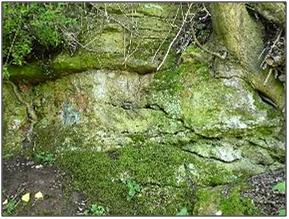
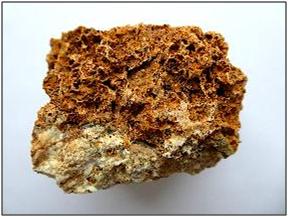
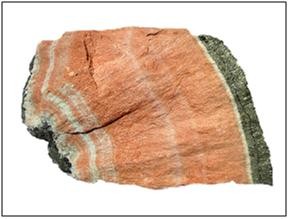
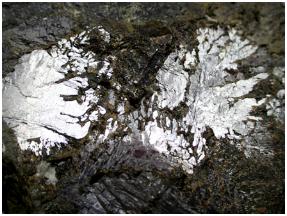
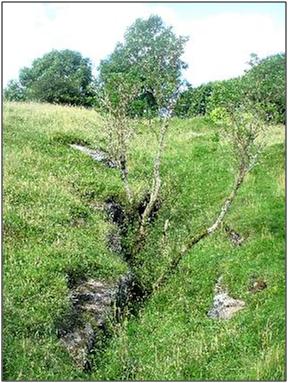
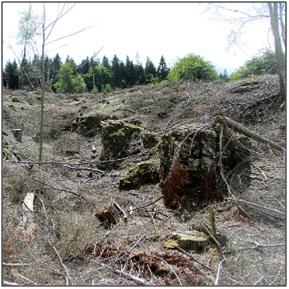
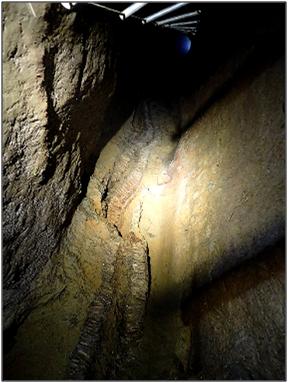
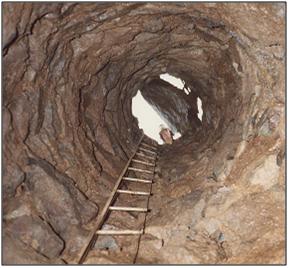
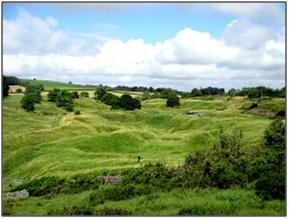
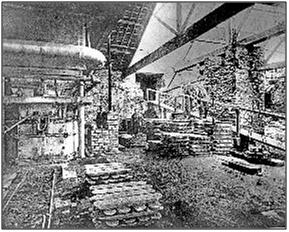
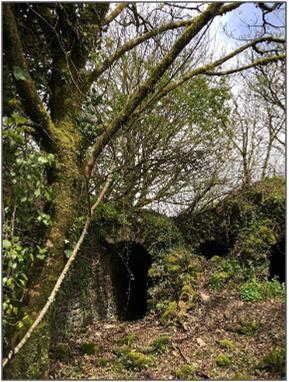
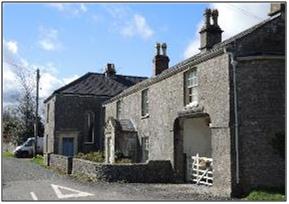
The book covers the following subjects exemplified by a series of photographs.
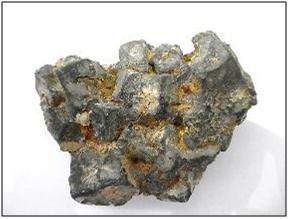
Mineral Deposits
Mine Workings
Mining
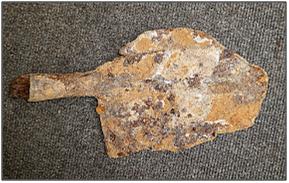
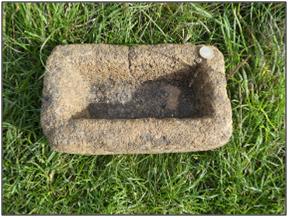
Ore Beneficiation and Smelting
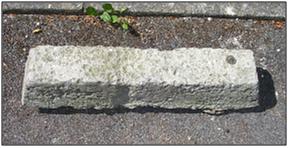
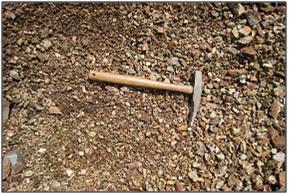
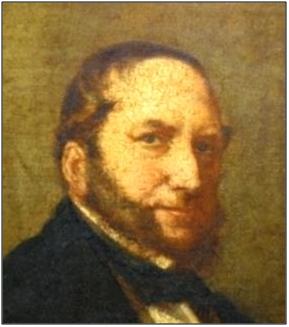
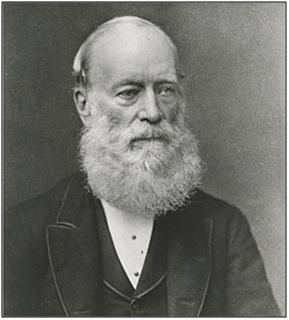
Biographies